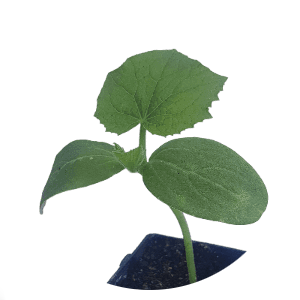
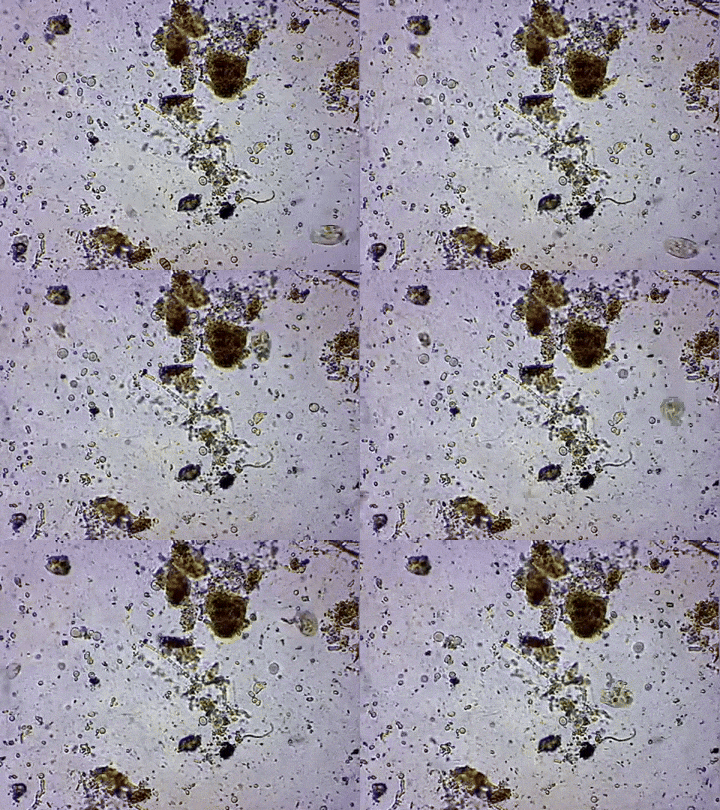
Soil biology, and the good soil structures that they build, are the most crucial components of a healthy soil. “Soil Biology” refers to the large and diverse communities of microorganisms in the soil, that include viruses, bacteria, protozoa, fungi, and other organisms, tens of thousands of species.
Soil Biology recycles dead plant and animal material and builds up carbon in the soil, which enhances the soil’s ability to hold water and nutrients. Plants cannot directly absorb many minerals such as phosphate, however, soil biology processes these minerals into more complex forms that the plants can absorb.
Additionally, soil biology produces countless organic compounds that plants need to ward off diseases and insects. These also give plants and fruit their resistance to insects and diseases, and taste, and are important to us for our own health and well-being. Active symbiosis between plants and soil biology is needed to produce the healthy plants we need for our own health, as shown by the Plant Health Pyramid.
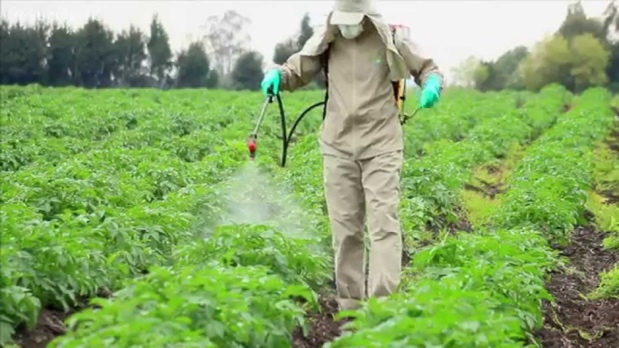
Modern farming practices have led to a significant decline in soil biology worldwide. This is contributing to increasingly lower resistance in plants to diseases and insects, and too much diminished nutritional value to us. The decline in nutritional value of our food is being increasingly recognised as a major contributor to the detriment of our physical and mental well-being.
Fortunately, over the past 30+ years, researchers, and growers have demonstrated that it is possible to revitalise soil biology and restore plant health and nutritional value.
Maintaining and strengthening the soil biology so that the soil’s health and structure keep improving requires adjusting our growing practices and looking after our soil.