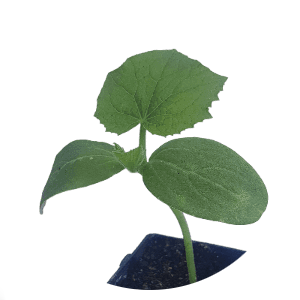

Soil biology builds soil structure, creates many health compounds for plants and people, all in exchange plant sugars…
Bio-friendly farming
boosts Healthy Soil Biology
and grows Healthy Plants
for Healthy People
Industrial Chemical Farming
weakens Soil Biology
weakening our Plants
weakening Us
We can do something about it!
What Went Wrong?
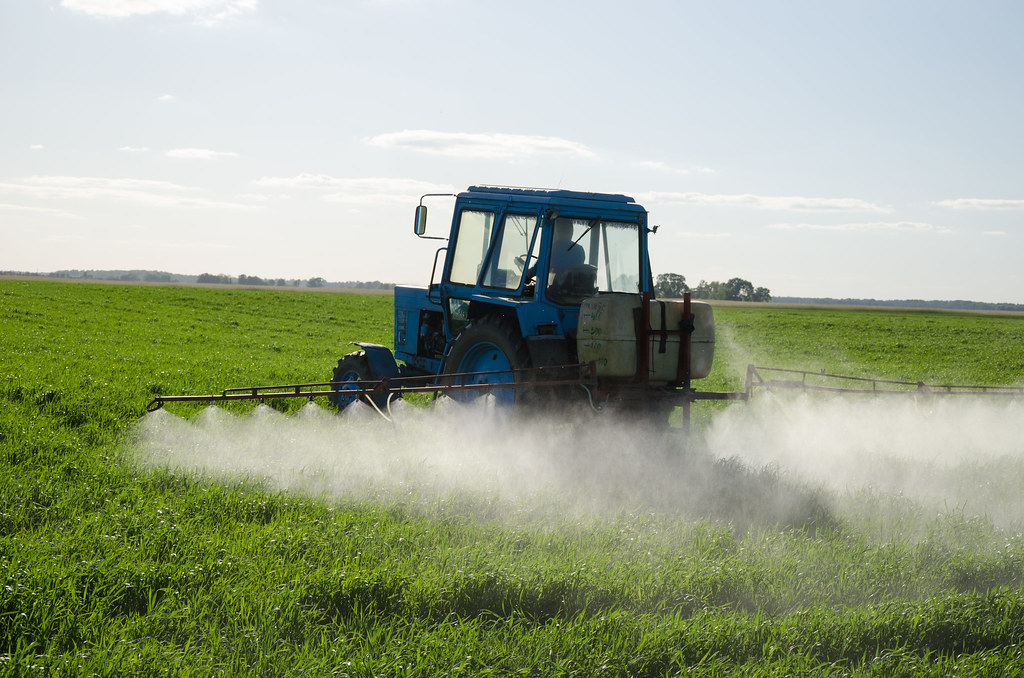
The Industrial Chemical way of farming vastly increased world food production but also weakened and killed soil biology. Soil biology is vital for plants’ health and for their nutritional value to us. Without it, plants become more susceptible to disease and insect and increasingly more dependent on chemicals. This results in a vicious downward spiral of ever-increasing costs and steadily diminishing nutritional value of our food.
This decline in nutritional value for people adds to physical and mental health problems, causing suffering and increasing the cost of living.
What Can Be Done About It?
Permaculture, Regenerative Agriculture and many more methods are proof that it is possible to grow healthy food sustainably. All are Bio-Friendly ways of growing crops, in that they stimulate soil biology and don’t kill it.
They show good results but need time to learn and implement and are often considered significant changes and thus risky. This does not need to be so. We have used simple methods to revitalise soil biology as a first step in a gradual transition to Bio-Friendly ways of growing.
Whether Farms Or Gardens, Biology Is The Key
Trials on commercial crops have shown visible improvements in soil structure within 100 days, and suggested increased yields and higher net income. With healthier plants, there is less demand for chemical insect and disease control. These practices can be implemented across large commercial fields using existing farming equipment and workflows. This makes bio-friendly farming practical and economical at scale.
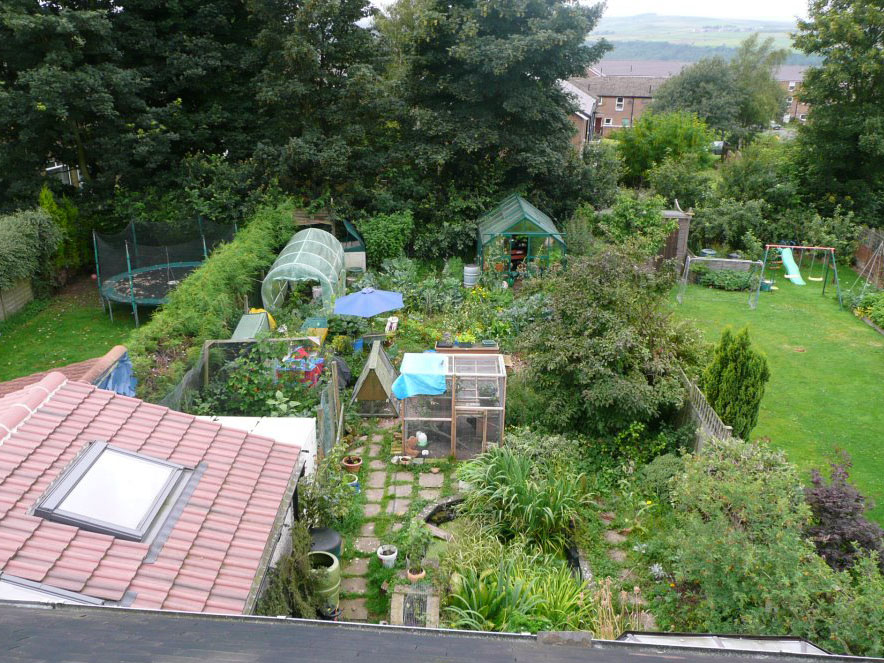
The same principles are just as effective in home gardens. We have grown healthier, more vigorous vegetables with improved appearance and noticeably better flavour. Whether you’re managing thousands of acres or a backyard garden, these methods deliver real, measurable results.

Wicking Beds Allow Everyone To Grow Healthy Plants
Wicking beds are an easy way to start growing your own healthy food. They are designed for busy people who want to grow healthy plants when water, space, or time are limited. They make it possible to grow on difficult soils, near trees, and even on concrete pads and balconies. Not only that, but they are easy to make with common household tools and from many common materials into many designs.
Growing Plants Is Continuous Learning
Like all growers, we are on a continuous learning curve. We learn from our plants, new research and insights, and by sharing practical experiences with fellow growers. So, if some of our experiences and findings are of use to you, we will have contributed our bit.
Growing our own healthy and wholesome plants for our families is very rewarding. It’s also relaxing and good for our wellbeing.
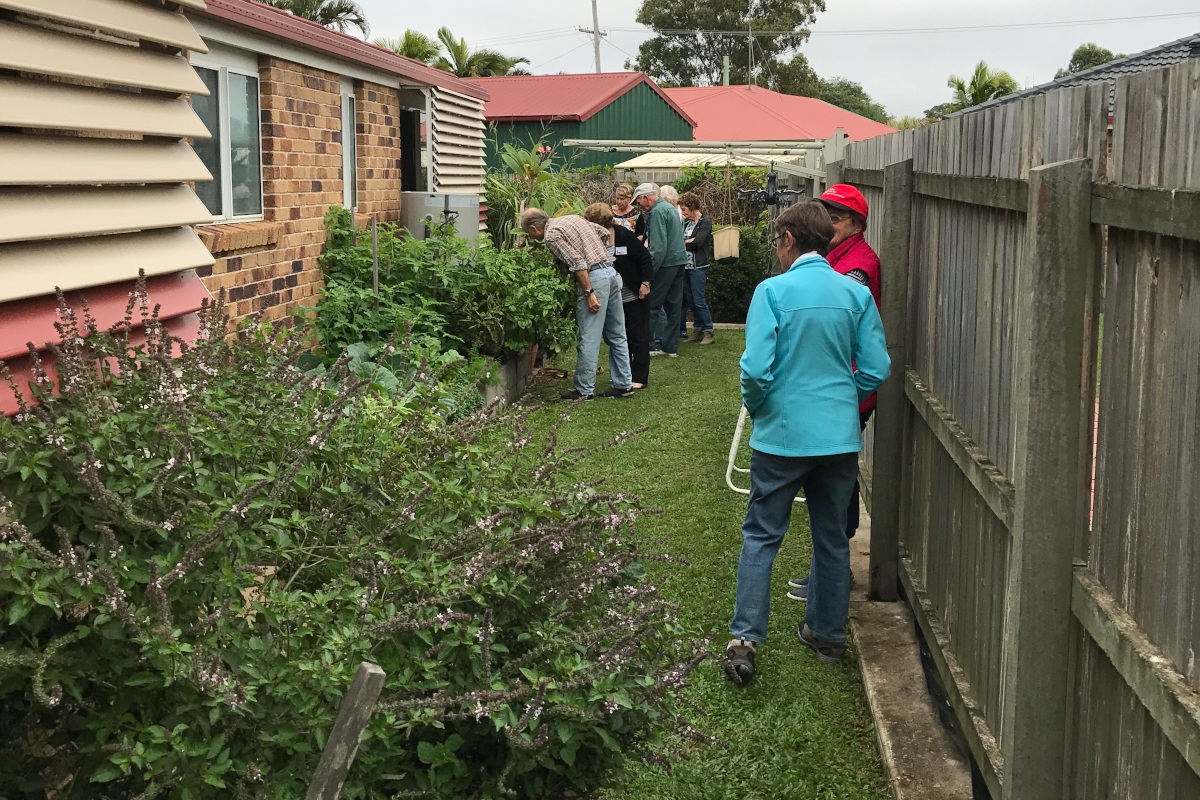
Our findings so far
Soil Biology
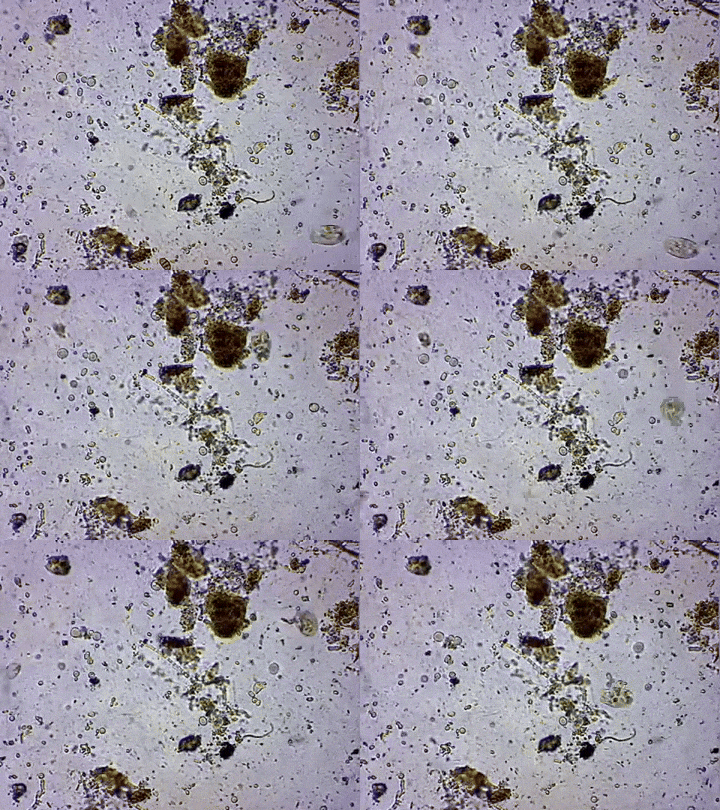
Soil biology refers to the organisms that live symbiosis with plants and are the primary contributors towards a plant’s health.
Find out more!
Healthy Plants
About raising plants that are resistant against insects and disease and rich in minerals and complex compounds.
Find out more!
Plants and People
The complex effects of healthy plants on our bodies, our communities, and the future of growing plants.
Find out more!
Case Studies
Read what we have found when developing our method to enhance the soil biology across a wide range of industries.
Find out more!
Wicking Beds
Wicking beds are a water efficient and low cost way to grow healthy plants with high nutritional values in a controlled way almost anywhere.
Find out more!
Key Posts

Looking After Your Soil Biology
Looking after your soil biology pays off from the start with healthier plants that put more carbon into the soil…
Summary of Case Studies
In all our case studies, we have shown an immediate improvement in net income from the very first application….
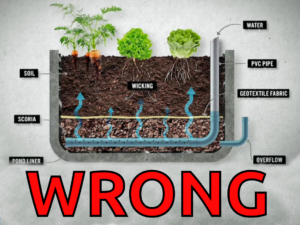
Misconceptions in Wicking Bed Designs have Serious Hidden Costs
Many so-called “wicking beds” found on the internet fail to wick properly by using stones or sand to keep the…
“Modern farming technology has reduced soil biology worldwide to the point that our food security is under serious threat.”

Peter Van Beek
DipAg, BEc, MAgrSc
“Growing healthy plants is easy; stop killing soil biology and start looking after it. Just give it a try!

Trevor Galletly
QDA, B AgSC – 40 years in biological farming